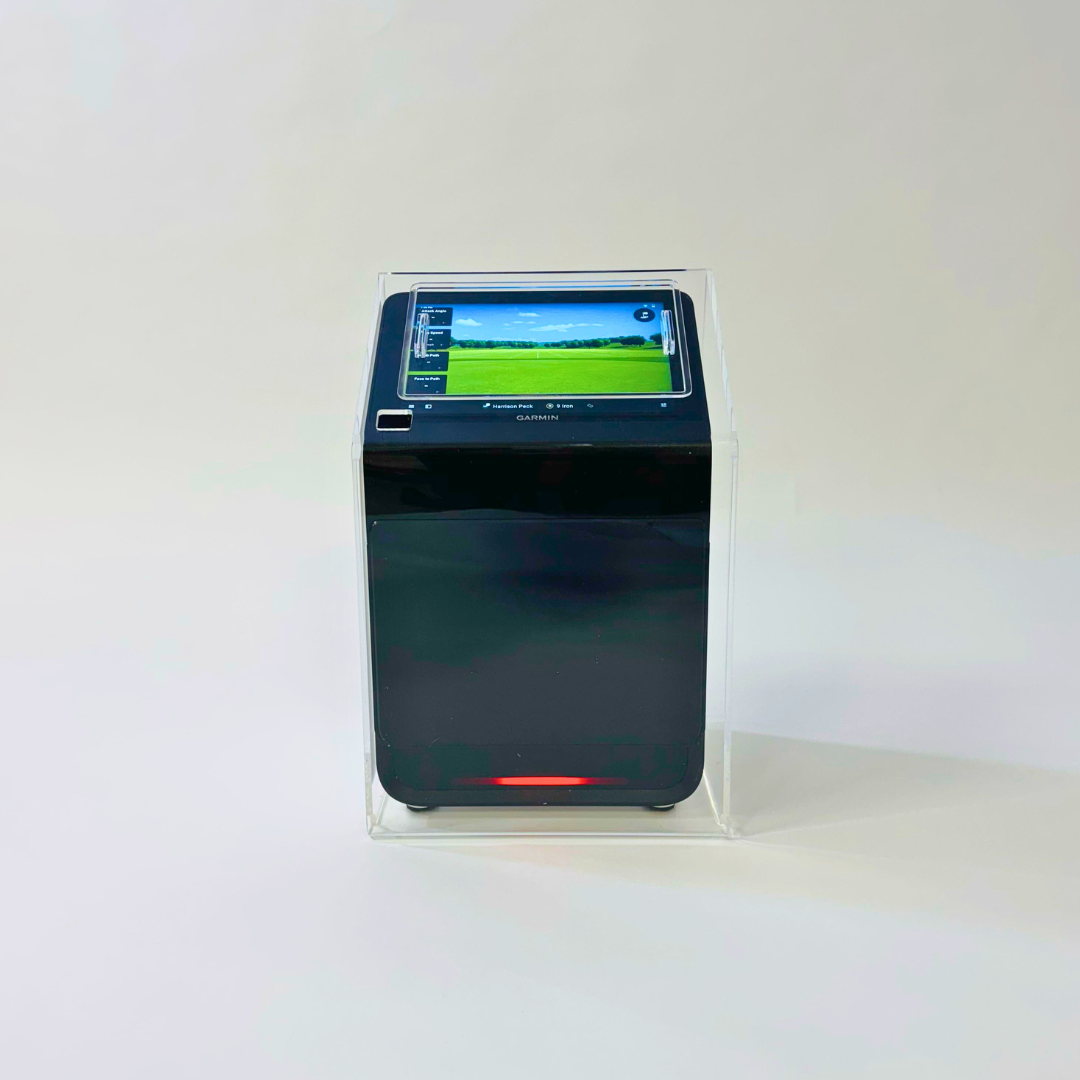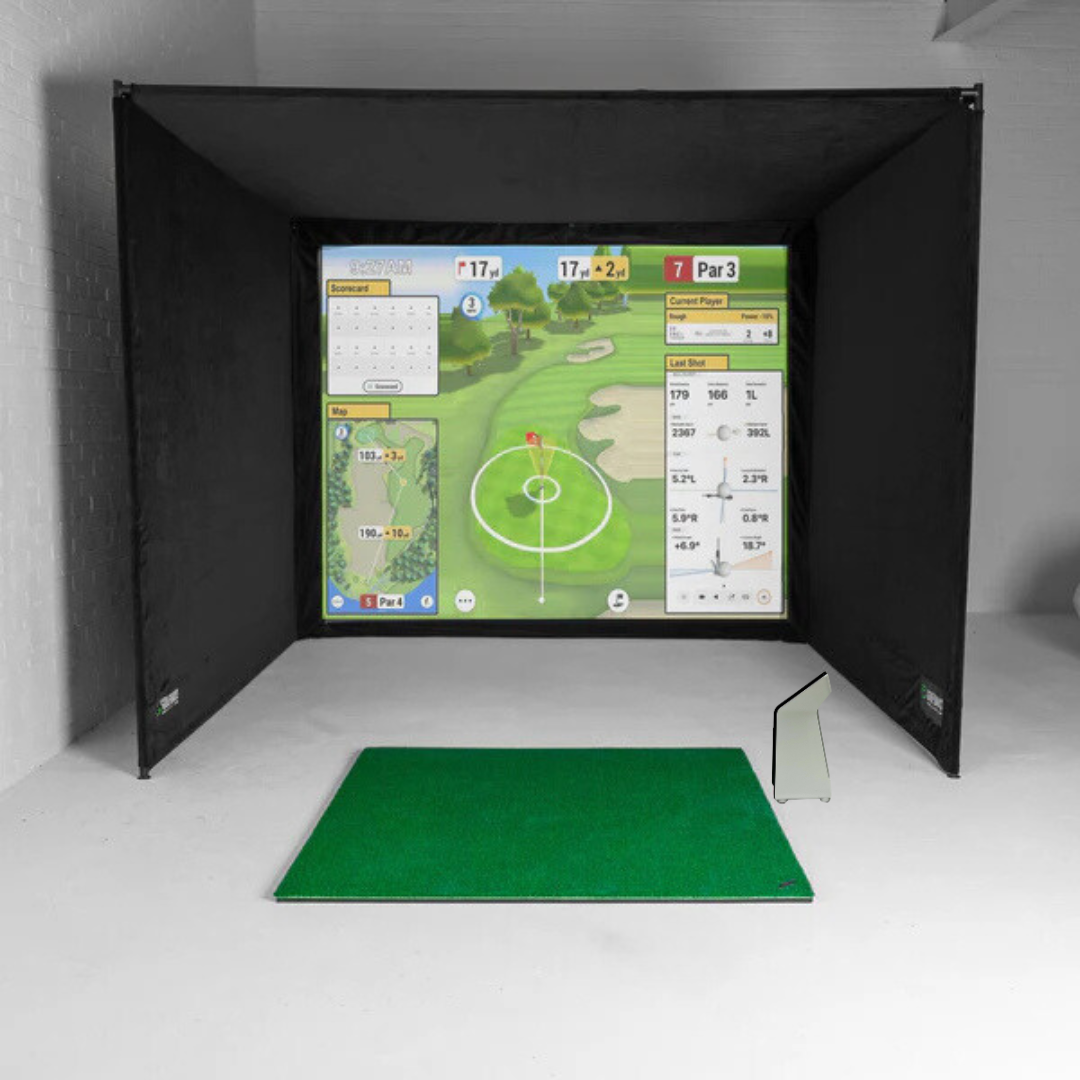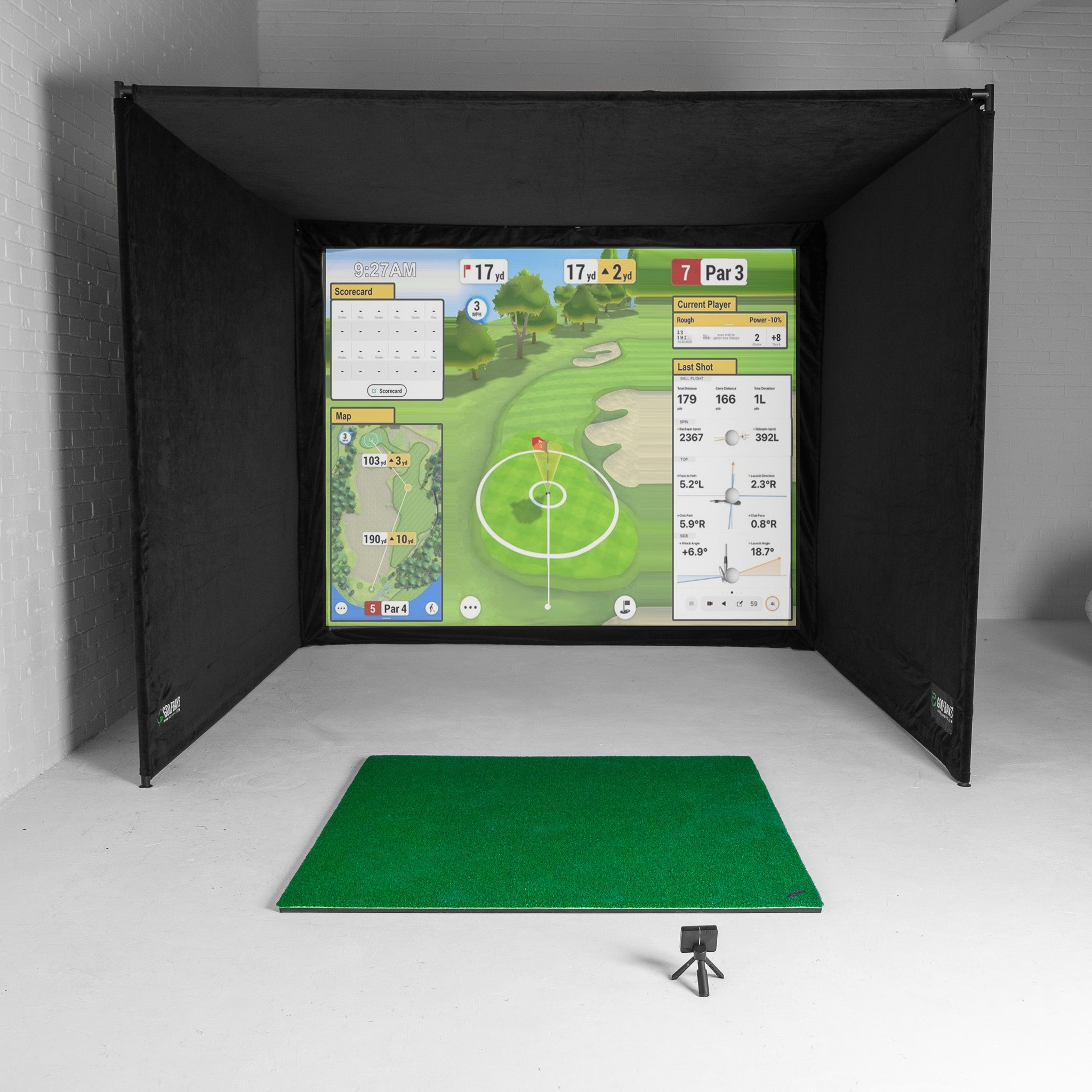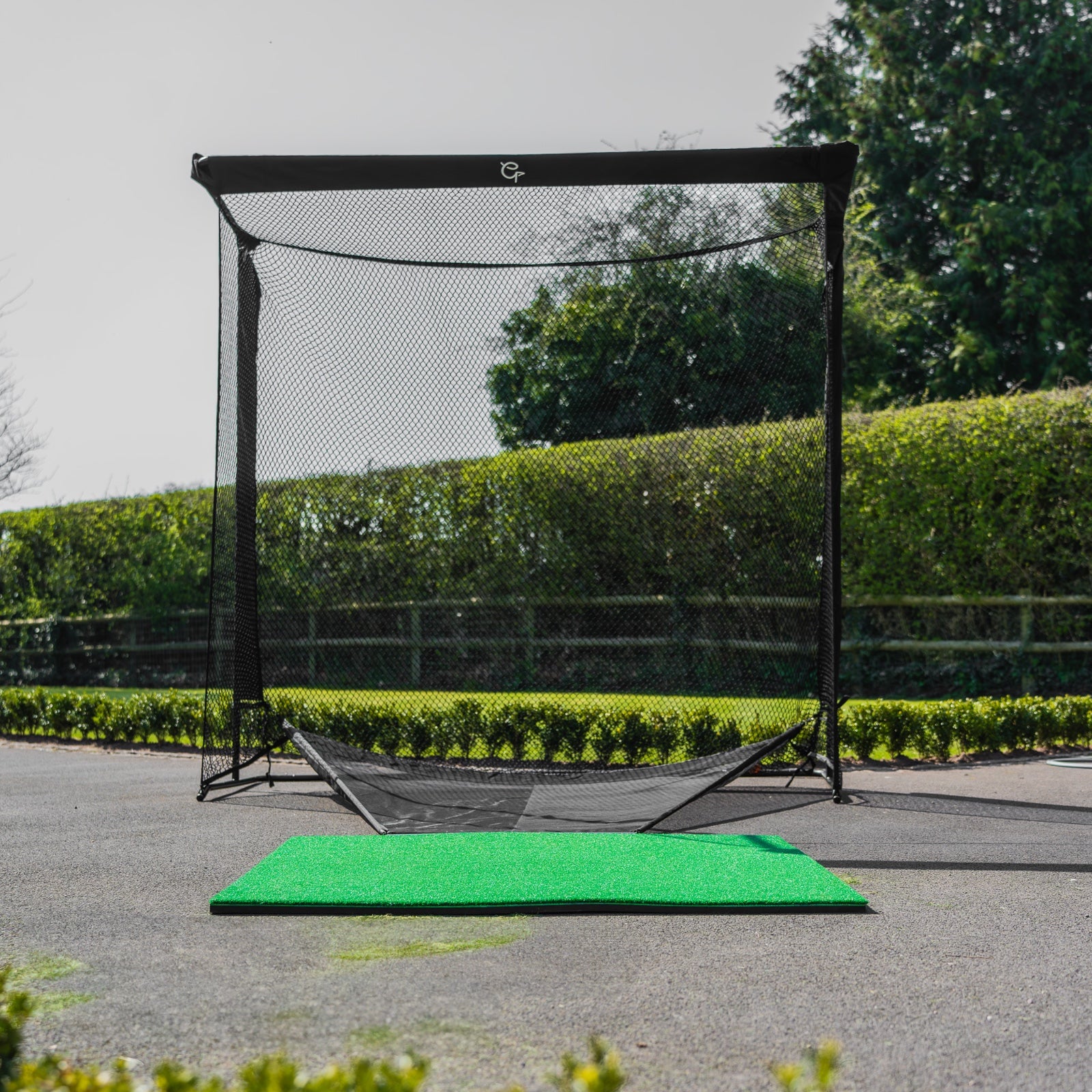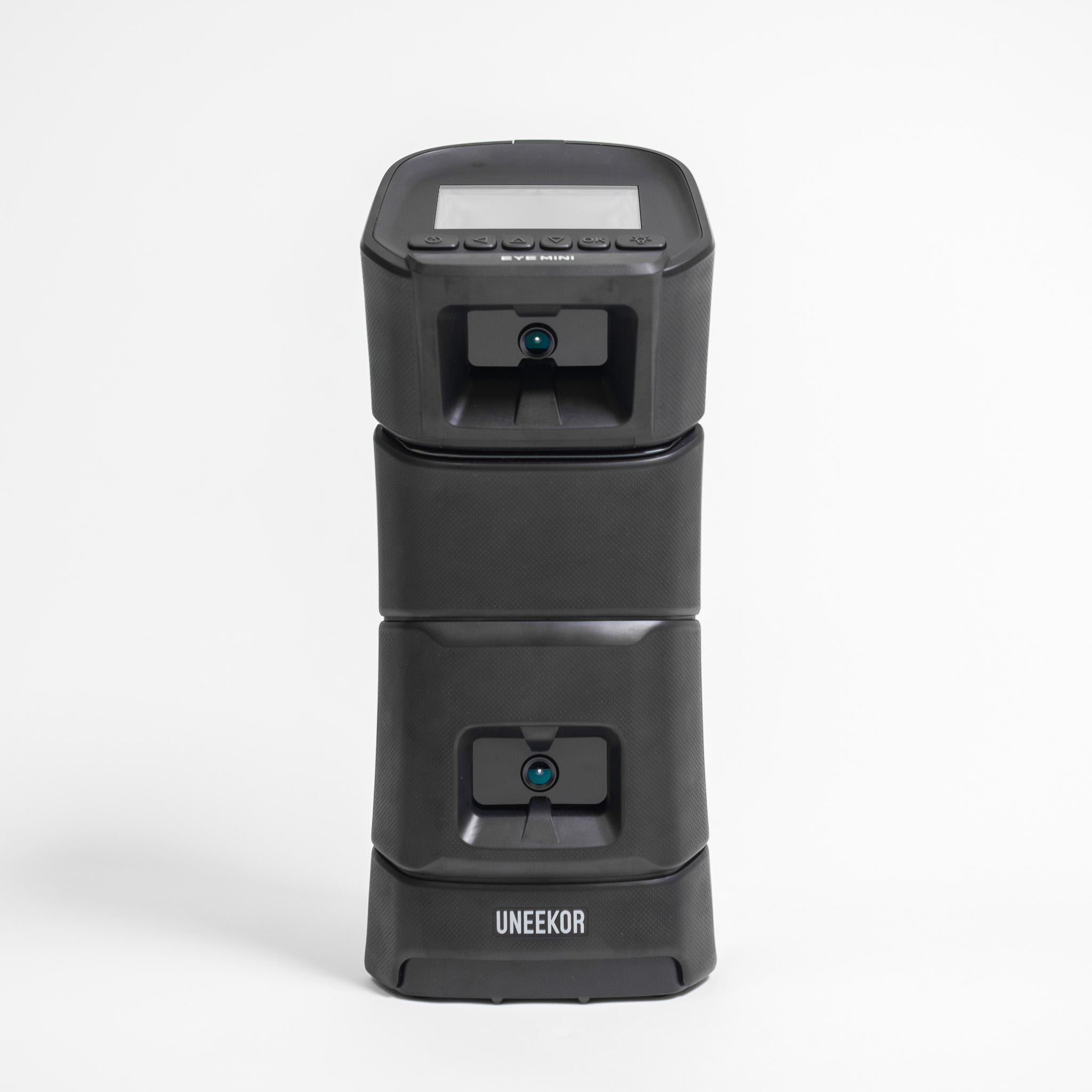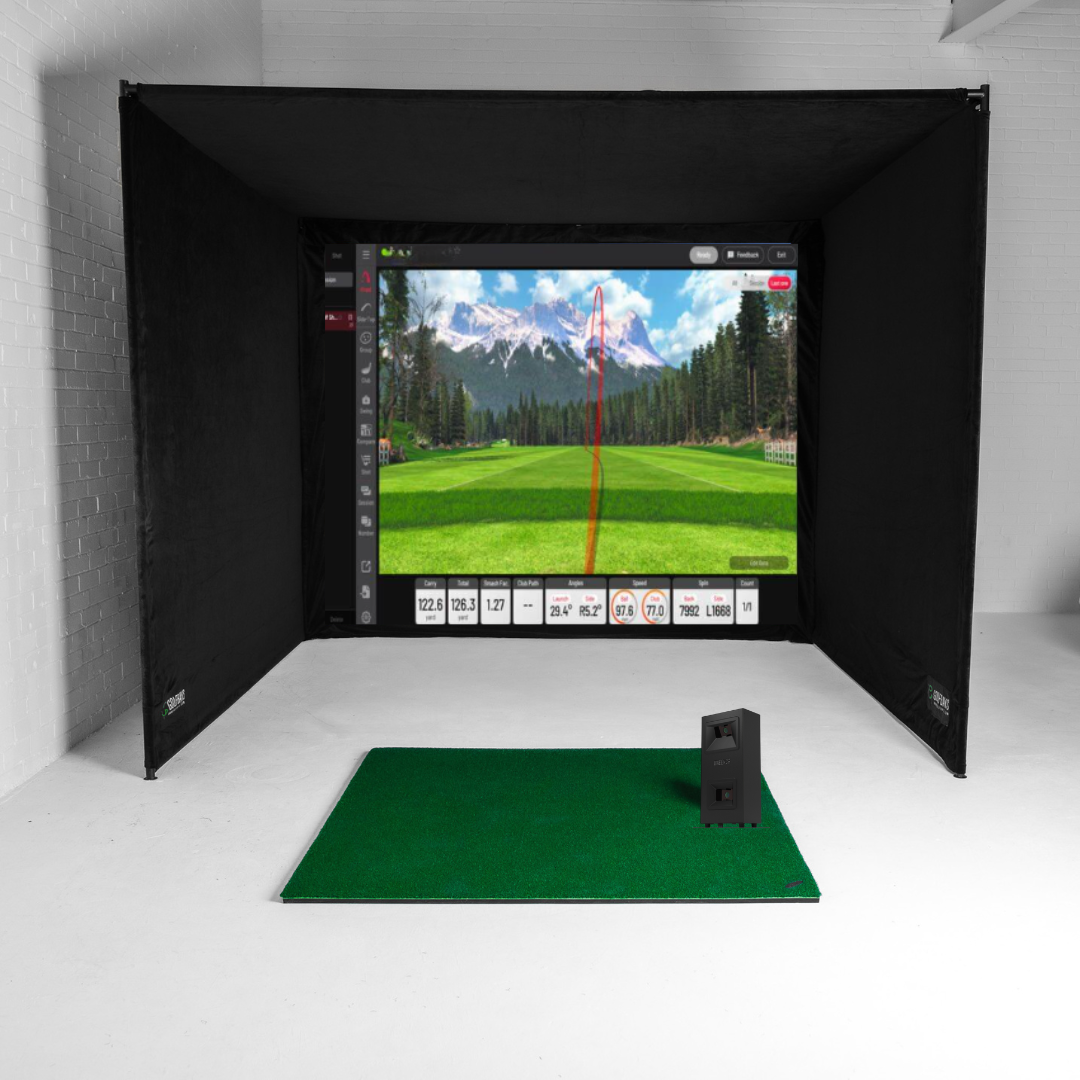









A radar launch monitor works out spin by watching the ball fly, and in a garage or spare room it gets only 2.4m to 3m of flight before the ball hits the screen. Titleist RCT balls and metallic dots both fix that, and the Rapsodo MLM2PRO has RPT balls of its own. Here's which one your launch monitor needs, what each costs per ball, and the units that need none of them.
Quick summary
- Radar units read spin from the ball's flight, and indoors they get only 2.4m to 3m of it, so without help spin is the number that suffers.
- Titleist Pro V1 RCT balls carry a radar-reflective mark under the cover and cost £70 a dozen from Titleist, against £52 for the standard Pro V1.
- A metallic dot does the same job on a standard ball for about 4p: our 400-dot pack is £16.99, and FlightScope puts 100 in the box with the Mevo+ and Mevo Gen 2.
- The Rapsodo MLM2PRO needs its own RPT balls, not RCT, to show spin at all, and it comes with them in the box.
- Camera units such as the Uneekor EYE MINI LITE, Square Golf Omni and ProTee VX read the ball at impact and need no special or dotted ball.
Which ball or dot does your launch monitor need?
It depends on how the unit reads the ball. Radar units behind the ball want an RCT ball or a dot indoors, the Rapsodo MLM2PRO wants RPT, and camera units beside the ball or on the ceiling read the ball you already play. Find your launch monitor below and read across. Prices are GolfBays prices on 30 September 2026.
| Launch monitor | How it reads the ball | What it wants indoors | Price |
|---|---|---|---|
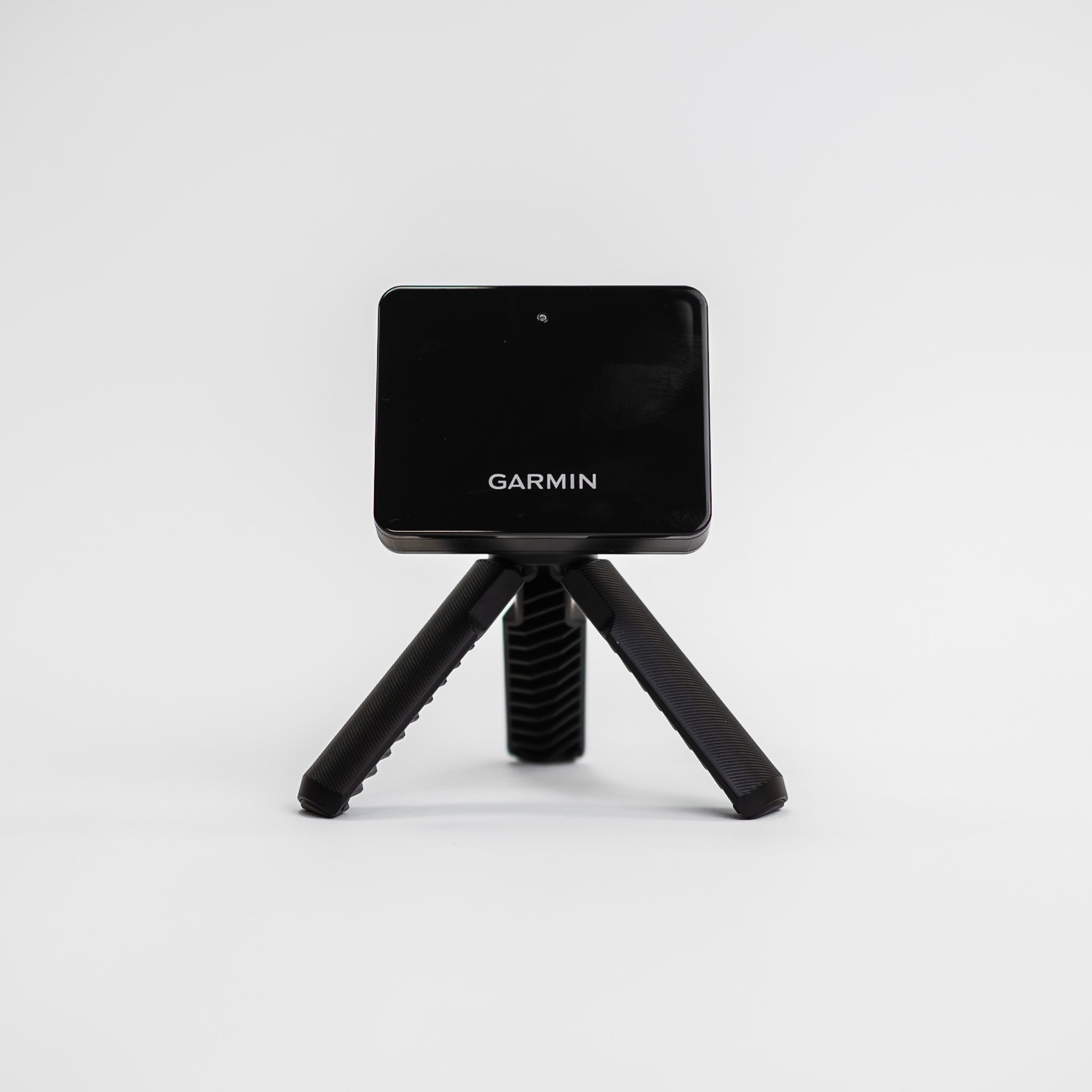
| Garmin Approach R10 | Radar, 1.8m to 2.4m behind the ball | Titleist Pro V1 or Pro V1x RCT | £421 |
| Rapsodo MLM2PRO | 2 cameras and radar, behind the ball | RPT balls, which come in the box | £549 |
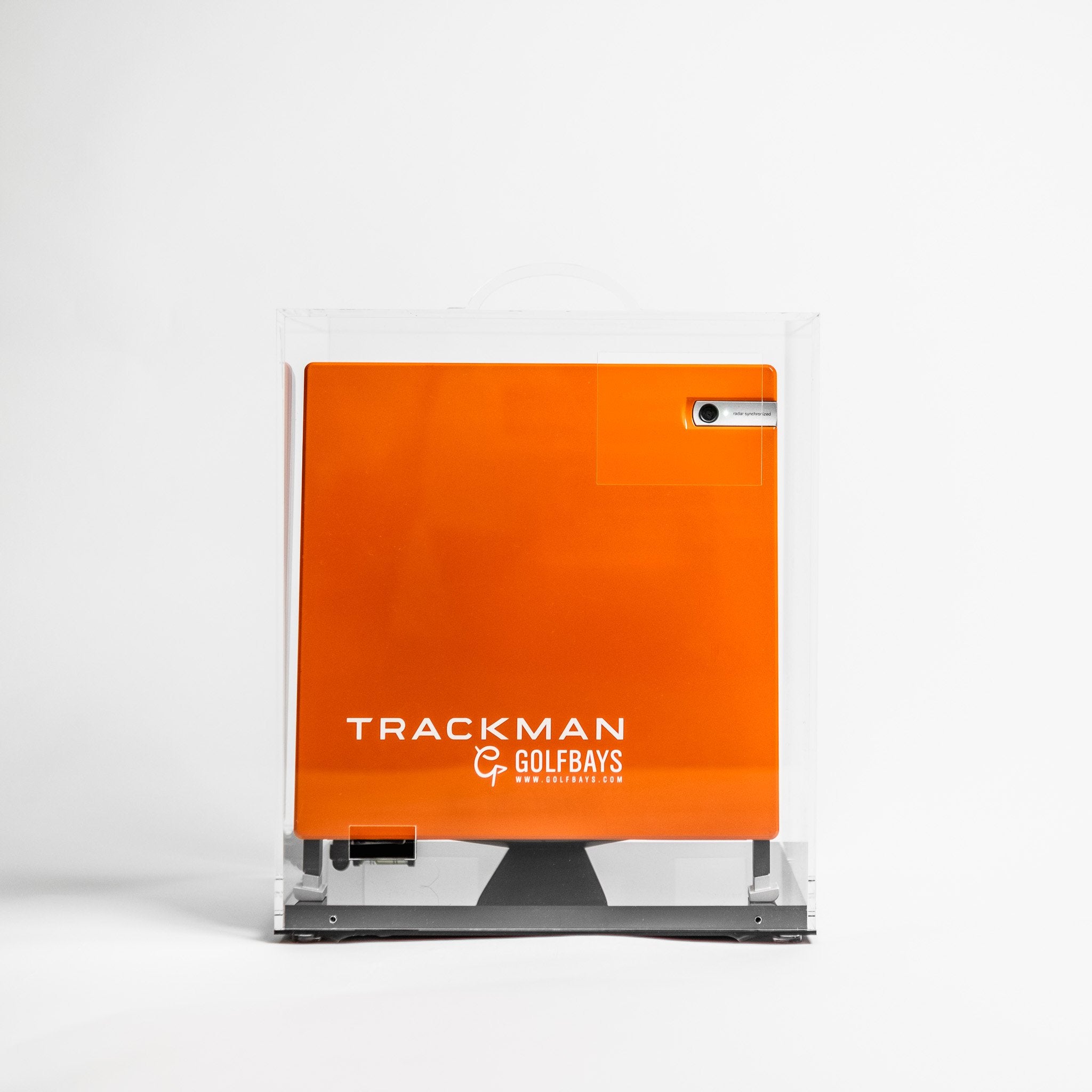
| FlightScope Mevo+ | Radar and camera, behind the ball | 1 metallic dot, or a Titleist RCT ball | £1,050 |
| FlightScope Mevo Gen 2 | Radar and camera, behind the ball | 1 metallic dot, or a Titleist RCT ball | £1,199 |
| Full Swing KIT | Radar, 3m behind the ball | Titleist RCT | £5,999 |
| Trackman 4 | 2 radars, behind the ball | Titleist RCT, or metallic dots | £22,434 |
| Uneekor EYE MINI CORE | 2 cameras and infrared | Any ball, no stickers | £1,249 |
| Square Golf Omni | 4 cameras, beside the ball | No marked balls or reflective stickers | £1,599.99 |
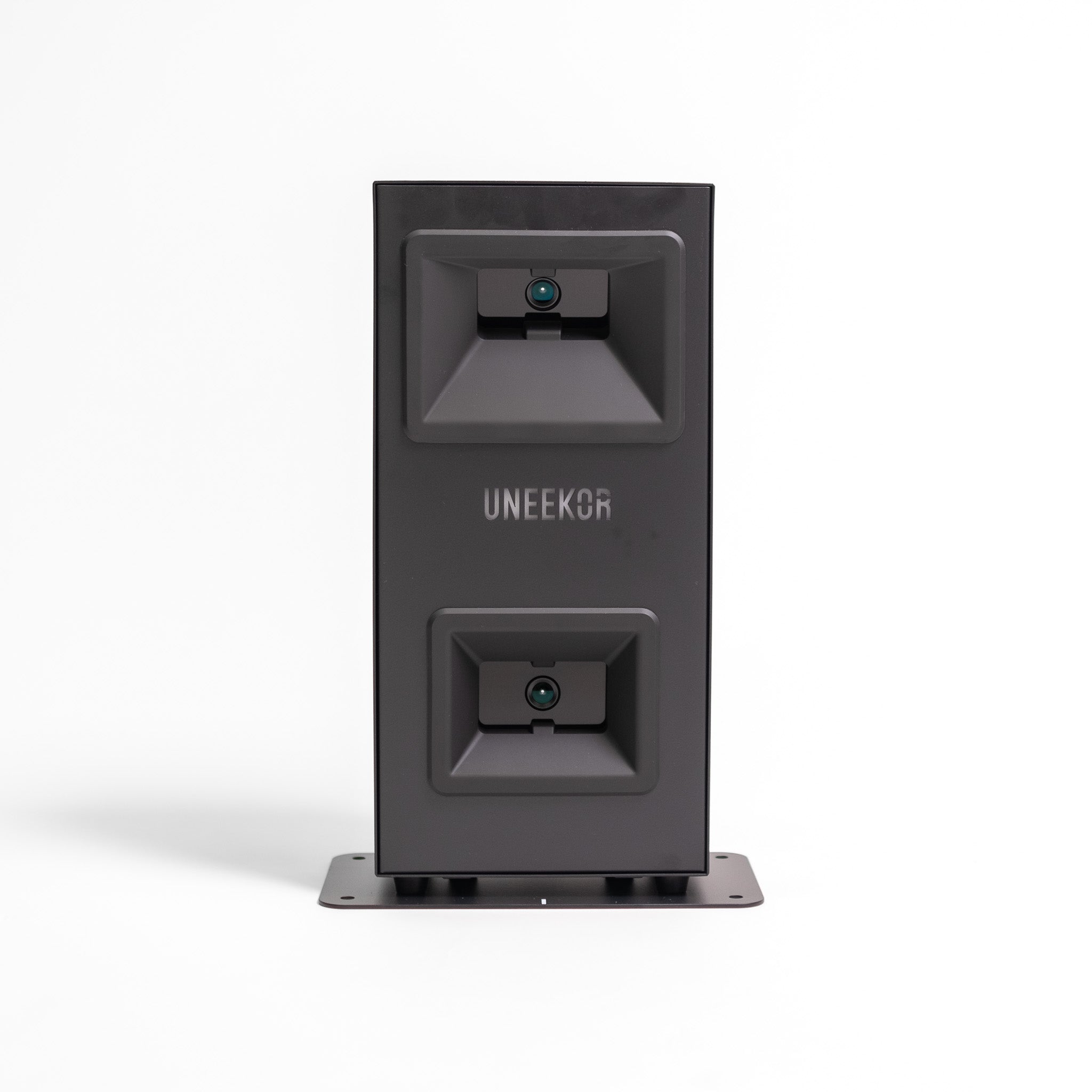
| Uneekor EYE MINI LITE | 2 cameras, beside the ball | Any ball | £1,999 |
| ProTee VX | 2 cameras, on the ceiling | No stickers or marked balls | £6,240 |
Why do radar launch monitors struggle with spin indoors?
Because they measure the ball in flight, and indoors there's barely any flight to measure. A radar unit sits behind you and follows the ball towards the target. On the range it has the full flight to work with. In a simulator, the screen stops the ball after 2.4m to 3m.

Spin matters more than it sounds. Backspin is what holds the ball up, so the carry, the height and the landing the software draws all lean on it. Get the spin wrong and the carry on screen is wrong with it, even when the ball speed and launch angle are spot on.
Without help, some radar units stop measuring spin and start estimating it. In standard indoor use the Garmin R10 calculates its spin rather than measuring it, and that estimate feeds straight into the carry.
Camera units don't have the problem. They photograph the ball in the moment around impact, so spin comes from the pictures rather than the flight, and that split in how a golf simulator reads the ball decides whether you need an RCT ball or a dot at all.
What does RCT mean on golf balls?
RCT stands for Radar Capture Technology. Titleist puts a radar-reflective mark on the casing layer of the ball, under the cover, so a radar unit can measure spin indoors instead of estimating it, and Titleist says it lifts indoor spin capture to over 99% (Titleist RCT).
You can't see the mark, because it sits inside the ball. Titleist says RCT models share the standard balls' design and perform identically, and they conform to the rules of the USGA and the R&A.

They'll play outdoors, but there's no point paying for the mark there. On the range the radar reads the ball's full flight, and Titleist says the technology isn't needed outdoors. Keep them for the simulator, where they earn their price.
Which golf balls have RCT?
Titleist makes RCT versions of 4 models: the Pro V1, Pro V1x, Pro V1x Left Dash and AVX. Buy the one that matches the ball you play outside, so the numbers you learn in the garage hold up on the course.
Between the Pro V1 and the Pro V1x, the choice is the same as it is outdoors: Titleist says the Pro V1 flies lower than the Pro V1x, spins less and has a softer feel.
| Ball | Price a dozen | Price a ball |
|---|---|---|
| Titleist Pro V1 RCT | £70 | £5.83 |
| Titleist Pro V1 | £52 | £4.33 |
| Titleist Pro V1 plus 1 dot from our 400 pack | £52.51 | £4.38 |
So the mark costs £18 a dozen, or £1.50 a ball, on Titleist's own UK prices. Titleist has validated RCT indoors on 6 launch monitors, including the Trackman 4, the Garmin R10, the Full Swing KIT and the FlightScope Mevo+ (Titleist Pro V1 RCT).
Watch out: old firmware
Titleist's validation only holds on a launch monitor running current software and firmware. Update the unit before you judge the balls, or you'll pay £70 a dozen for spin numbers the unit isn't set up to read yet.
Do RCT golf balls make a difference?
On a radar unit indoors, yes. Spin is the number radar launch monitors find hardest in a short room, and it's the one RCT is built to fix. FlightScope asks for a dot or an RCT ball for accurate spin indoors, and Titleist has validated RCT on the Garmin R10 and the Full Swing KIT.
A truer spin reading means a truer carry, because the software works the carry out from ball speed, launch and spin together, and carry is the number you're in the garage to learn.
On a camera unit, no. A camera beside the ball or on the ceiling measures spin from pictures at impact, so you'd be paying £18 a dozen extra for a mark Titleist built for radar.
RCT balls are worth it if:
- You hit into a screen with a radar unit behind you, such as a Garmin R10, a Full Swing KIT or a FlightScope.
- You'd rather not fiddle with stickers before every session, or several people share the bay.
- You use the numbers to make decisions, like gapping your irons, testing a new driver or learning your wedge distances.
- You already play a Pro V1 or Pro V1x outside, so the indoor ball is the one you know.
Skip them if:
- Your launch monitor uses cameras, beside the ball or on the ceiling.
- You own a Rapsodo MLM2PRO, which needs RPT balls for spin.
- You're happy to stick a dot on a ball you already own, which does the same job on a FlightScope for pennies.
What do metallic golf ball dots do?
A metallic dot is a small reflective sticker that goes on a standard ball and gives a radar unit a clearer signal to read spin from. It's the fix FlightScope puts in the box: the Mevo+ and Mevo Gen 2 each come with 100 aluminium stickers, and FlightScope says that indoors you need either a sticker or a Titleist RCT ball for accurate spin (FlightScope FAQ).
The rule is 1 dot per ball, stuck on the side facing the screen. FlightScope also rules out the shortcut: a metallic marker pen can't stand in for the sticker.

Our metallic golf ball dots are made for radar units like Trackman and FlightScope's Mevo+, and come in packs of 400 for £16.99 or 1,000 for £29.99. That's about 4p a dot in the smaller pack and 3p in the bigger one, so dotting 100 balls costs less than a single RCT ball.
✓ Do this
Stick 1 dot on each clean ball, press it flat, and tee the ball up with the dot facing the screen every time.
✕ Not this
Put 2 dots on for luck, tee the ball up any old way, or draw a dot on with a metallic pen.
How do you put a metallic dot on a golf ball?
Start with a clean, dry ball. A dot won't stay put on a dusty or damp cover, and garage balls pick up both.
Press it down properly. Rub the dot with your thumb until the edges sit flat against the cover. A lifted edge is the first bit to catch and peel.
Tee it up with the dot facing the screen. That's FlightScope's instruction, and it's the same for every shot, driver or wedge.
Check it between shots. A dot that's lifted, creased or gone needs replacing before the ball goes back on the mat.
RCT balls vs metallic dots: which is better?
Both give a radar unit a better read on spin. The difference is cost, fuss and which launch monitors back them.
| Titleist RCT balls | Metallic dots | |
|---|---|---|
| What it is | A radar-reflective mark under the cover | A reflective sticker on the cover |
| Cost | £70 a dozen for Pro V1 RCT, £5.83 a ball | 3p to 4p a dot, on balls you already own |
| Before each shot | Nothing to stick on | 1 dot on the ball, facing the screen |
| Backed by | Titleist, on 6 validated units including the R10, KIT, Mevo+ and Trackman 4 | FlightScope for the Mevo+ and Mevo Gen 2, and our dots for Trackman |
| Outdoors | Plays like the standard ball | Not needed |
| Best for | R10 and KIT owners, and anyone who hates fiddling | FlightScope owners, and Trackman owners on a budget |
For a FlightScope, dots are the better buy: there are 100 in the box, FlightScope backs them, and they cost next to nothing. For a Garmin R10 or a Full Swing KIT, buy RCT, because RCT is the ball Titleist has validated on both. For a Trackman 4, either works, and RCT just saves the dotting.
Not sure which ball your setup needs?
Tell us your launch monitor and how deep the room is, and we'll tell you whether you need RCT balls, dots or nothing at all. It's free.
Book a free consultationWhat is the difference between RPT and RCT golf balls?
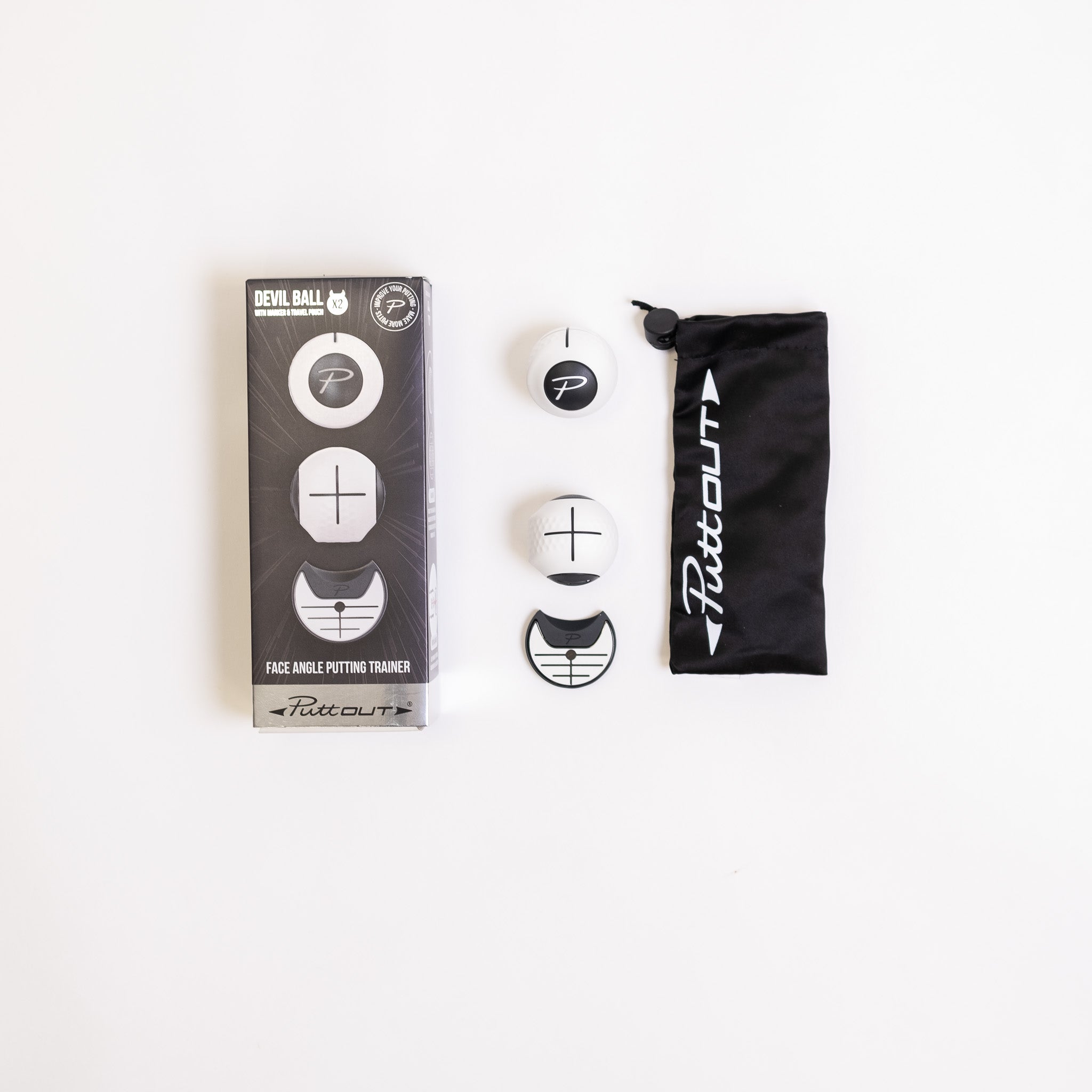
RCT is read by radar units. RPT is made for the Rapsodo MLM2PRO. RPT stands for Rapsodo Precision Technology: a pattern on the ball, which Rapsodo developed with Callaway and Titleist so the MLM2PRO can track spin rate and spin axis in flight.
On the MLM2PRO, RPT isn't optional for spin. Rapsodo says you need a Titleist or Callaway RPT ball to see spin numbers at all, while the rest of the numbers work with any real golf ball (Rapsodo FAQ). Foam and plastic practice balls give it nothing to read.

The Rapsodo MLM2PRO uses 2 cameras alongside Doppler radar to give you 13 metrics, and RPT balls come in the box, for £549. It sits behind the ball and runs from your phone or tablet, which can put the picture on a smart TV or a projector.
Watch out: RCT isn't RPT
An RCT ball won't give the MLM2PRO its spin numbers, because Rapsodo asks for RPT. Keep the RPT balls from the box for the simulator, and when you need more, buy RPT rather than RCT.
Which radar launch monitors need RCT balls or dots?
These are the radar units that read spin from the ball's flight, and what each one wants indoors.
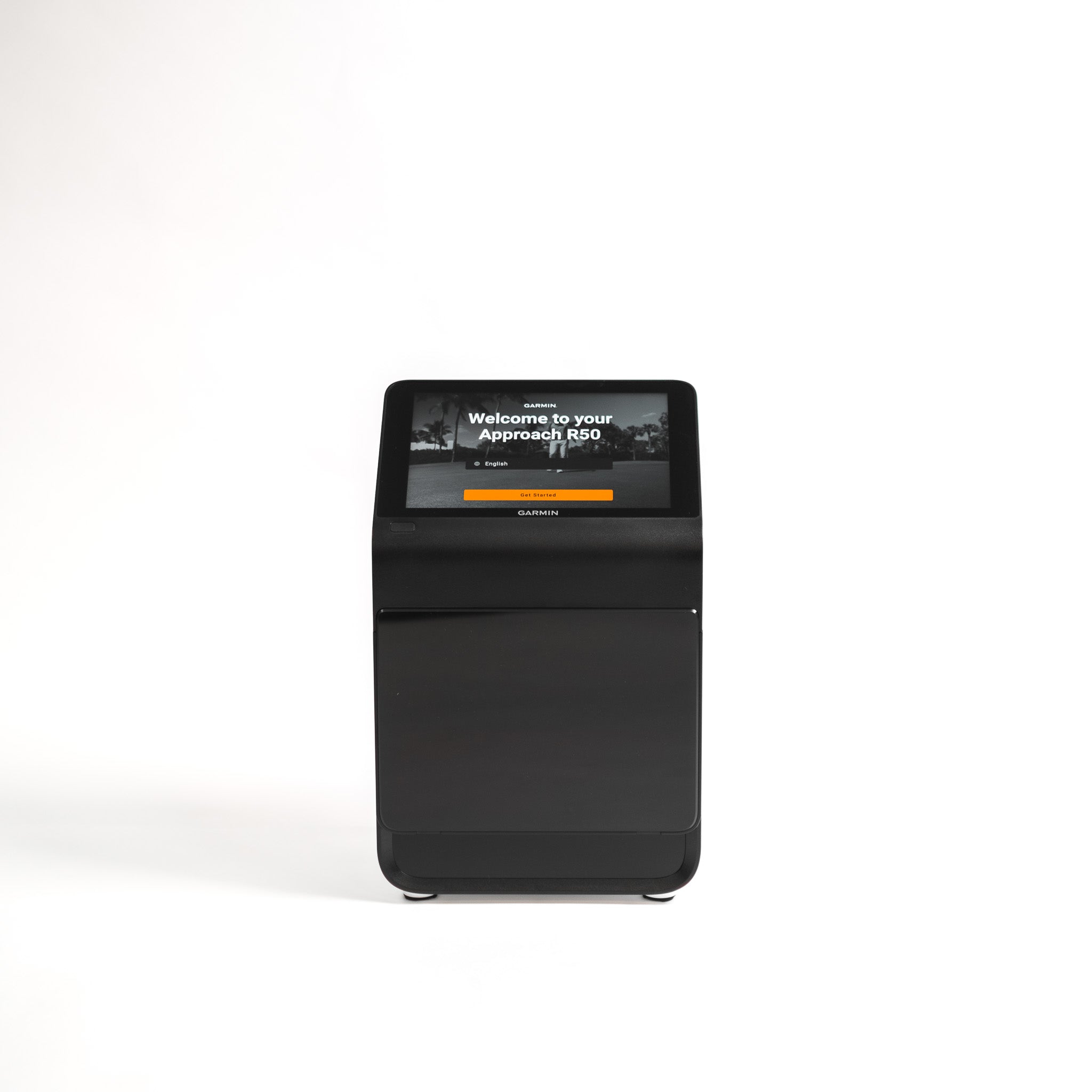
Garmin Approach R10
The R10 sits 1.8m to 2.4m behind the ball and needs at least 2.4m of flight in front of it. Indoors it calculates spin rather than measuring it, and Titleist Pro V1 or Pro V1x RCT balls give it a far more precise spin reading, which steadies the carry numbers too.

The Garmin Approach R10 is £421, and a charge lasts up to 10 hours. Add a Garmin Golf membership and Garmin's Home Tee Hero turns it into a simple simulator.
The catch: its indoor fix is the dearer one. Budget £70 a dozen for Pro V1 RCT balls on top of the £421.
FlightScope Mevo+ and Mevo Gen 2
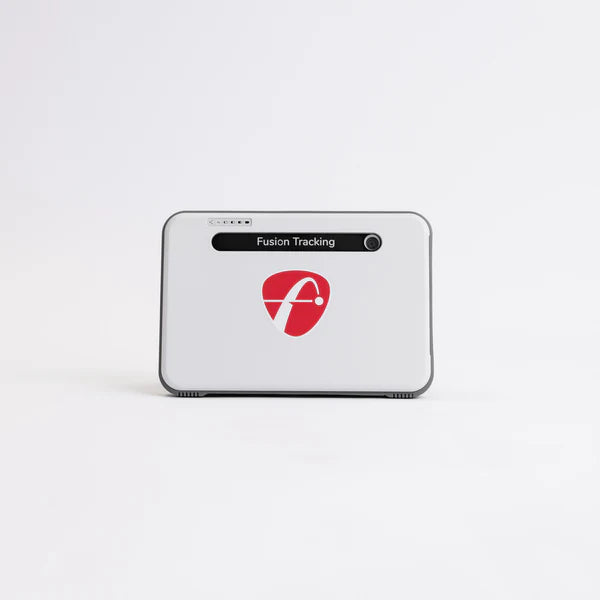
Both use FlightScope's Fusion Tracking, which combines radar with image processing, and sit 2.1m to 2.7m behind the ball indoors with at least 2.4m of flight to the screen. Each comes with 100 metallic stickers, so it's ready for accurate indoor spin the day it arrives.

The FlightScope Mevo Gen 2 is £1,199, with 8 E6 Connect courses you keep, Valderrama among them.

The FlightScope Mevo+ is the older model at £1,050, and its E6 Connect bundle is bigger: 12 courses you keep, Pebble Beach and St Andrews' Old Course among them.
The catch: the room. With the unit behind you, plan on 5m or more of depth.
Full Swing KIT
The KIT sits about 3m behind the ball and wants 2.4m to 3m of ball flight, in a room 5.5m to 6.1m deep. It measures spin with its radar, and it's at its most precise indoors with Titleist RCT balls.

The Full Swing KIT is £5,999 for 16 ball and club data points, with HD video of your swing from the camera built into the unit.
The catch: the depth. Below 5.5m the KIT is the wrong monitor, whatever ball you put down.
Trackman 4
Trackman 4 uses 2 radars: one follows the club through impact, and the other tracks the ball's flight for launch angle, spin rate and curvature. Titleist has validated RCT on it, and our metallic dots are made for Trackman too.

The Trackman 4 is the launch monitor tour pros and top coaches use, indoors or outdoors at the range, for £22,434.
The catch: the price. Next to it, a dozen RCT balls or a pack of dots is pocket change.
Which launch monitors work with any golf ball?
Camera units like these 4. They read the ball as it leaves the club, with cameras beside it or above it, so there's no flight to run short of, and none of them needs a dotted or special ball.

The Uneekor EYE MINI CORE reads any ball, whatever its dimple pattern, with 2 high-speed cameras and infrared, and needs no stickers or markings. It's £1,249, gives you 15 ball data points and runs from a PC.

The Square Golf Omni is £1,599.99 and puts 4 cameras on the ball and the club, with no marked balls or reflective stickers, whether it's set up in the garage or out on a grass range.

The Uneekor EYE MINI LITE works with any ball, reads 19 metrics with 2 high-speed cameras and runs from a Windows PC, for £1,999.

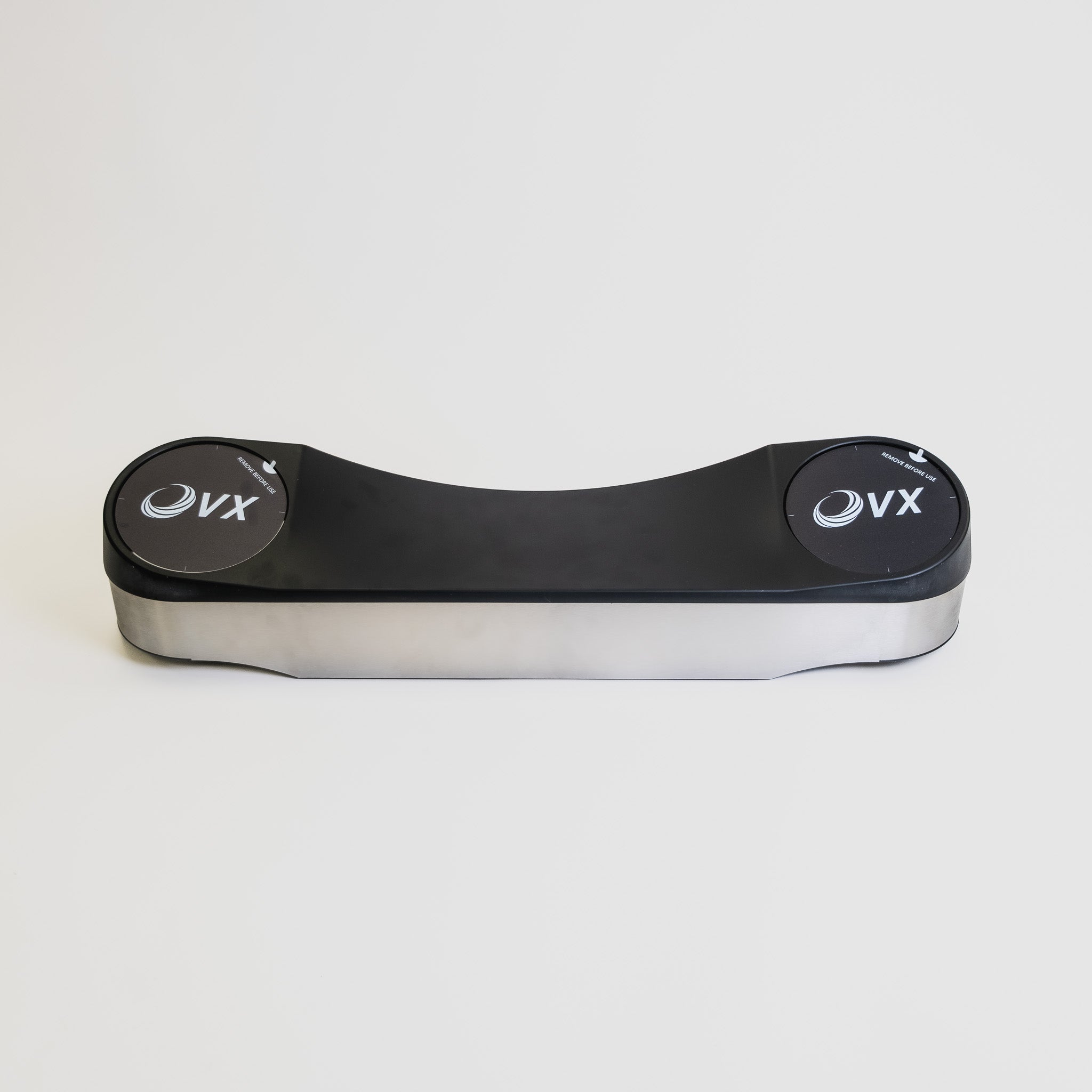
The ProTee VX watches from the ceiling with 2 high-speed cameras and needs no stickers or marked balls, for £6,240. Nothing sits on the floor, so a left-hander steps in without moving a thing.
The catch: the Omni and the MINI LITE sit beside the ball, so they swap sides whenever a left-hander steps in. The MINI LITE also needs the mains and a PC, which keeps it in the bay, so for a unit that goes to the range too, the Omni is the pick.
How do you get accurate spin indoors?
An RCT ball or a dot only helps if the unit can see enough of the ball's flight, so the setup matters as much as the ball.
Give the radar its distance. Put the unit where its maker says: 1.8m to 2.4m behind the ball for a Garmin R10, 2.1m to 2.7m for a FlightScope and about 3m for a Full Swing KIT. That's why a home golf simulator built around radar wants at least 5m of room depth, and 5.5m to 6.1m for a KIT.
Give the ball its flight. The R10, both FlightScopes and the KIT all want at least 2.4m between the ball and the screen. Move the ball closer to save space and the unit has even less flight to read.
Level it and aim it. Line the unit up on the middle of the screen, not the middle of the wall, and put a spirit level on it. A unit that's aimed off reads every shot off line, whatever ball you hit.
Watch the lights. FlightScope says to avoid fluorescent lights around its units: use incandescent or halogen bulbs instead, or shield the tubes.
Hit the same ball model every session. Swap between models and you won't know whether a change in the numbers came from your swing or the ball.
GolfBays tip
Dot a full tray of balls before the session, not between shots, and drop any ball that's lost its dot into a separate pot to re-dot later, so a bare ball never sneaks back onto the mat.
Which should you buy: RCT balls or metallic dots?
Start from the launch monitor, because it decides for you.
- Garmin Approach R10: Titleist Pro V1 or Pro V1x RCT.
- FlightScope Mevo+ or Mevo Gen 2: the 100 dots in the box, then a pack of ours when they run out, or RCT if you'd rather not stick anything on.
- Full Swing KIT: Titleist RCT.
- Trackman 4: RCT for no fuss, dots for less money.
- Rapsodo MLM2PRO: RPT balls, never RCT.
- A camera unit: nothing special, just a clean ball you play.
RCT golf ball FAQs
What are Titleist RCT balls used for?
Indoor golf on a radar launch monitor. The RCT mark lets radar units like the Garmin R10, Full Swing KIT, FlightScope Mevo+ and Trackman 4 measure spin in a simulator, where the ball flies only 2.4m to 3m before the screen.
Can you use RCT golf balls outdoors?
Yes. They conform to the rules and play identically to the standard Pro V1, Pro V1x, Pro V1x Left Dash and AVX. Outdoors the radar reads the ball's full flight, so the mark isn't needed there.
How much are RCT golf balls?
Titleist sells Pro V1 RCT at £70 a dozen, £18 more than a dozen standard Pro V1s at £52. That's £5.83 a ball, against about 4p for a metallic dot on a ball you already own.
Are RCT golf balls worth it?
If you hit indoors with a radar unit behind you and don't want to stick dots on, yes. If you own a FlightScope, the dots in the box do the same job for less, and on a camera unit RCT adds nothing.
Can you use metallic stickers instead of RCT balls?
On a FlightScope, yes: FlightScope asks for either 1 sticker facing the screen or an RCT ball for accurate indoor spin, and our dots are made for Trackman too. For the Garmin R10, RCT is the ball Titleist has validated.
Do camera launch monitors need RCT balls?
No. Camera units read the ball at impact rather than in flight, and units like the Uneekor EYE MINI LITE, Square Golf Omni and ProTee VX need no dotted or special balls.
Do RCT balls work with the Rapsodo MLM2PRO?
Not for spin. The MLM2PRO needs Titleist or Callaway RPT balls to show spin numbers, and it comes with RPT balls in the box. Its other numbers work with any real golf ball.
Does the Garmin R10 need RCT balls indoors?
It works without them, but indoors it calculates spin rather than measuring it. RCT balls give it a far more precise spin reading and steadier carry numbers.
Pick the launch monitor, then the ball
Radar units from the Garmin R10 to Trackman 4, and camera units that read whatever ball you tee up.
Shop launch monitors